
So there you are, in the doctor’s office, hoping that you are going to find out if you are dying because that is how bad you have been feeling. The doctor comes in to tell you some good news and some bad news. Start with the bad. You have Type 2 Diabetes and your life is changing forever. But what about the good news? You don’t hear it because you are probably too shaken to remember. I’m going to help you get past the shock and realize that the good news is really better than what the doctor said.
What Is Type 2 Diabetes?
Type 2 diabetes is a condition where your body has trouble using insulin properly. Insulin is a hormone that helps your body turn sugar (glucose) from food into energy. When your body doesn’t use insulin well, sugar builds up in your blood instead of being used for energy. Over time, high blood sugar can lead to health problems like diabetes, but the good news is that Type 2 diabetes can be managed with healthy habits, the right medication, and support.
A very important relatively new development in diabetic management is the concept of insulin resistance. It is a developing theory of metabolic disease that offers a unique option for the reversal of diabetes and countless other metabolic disorders.
Type 1 vs. Type 2 Diabetes: What’s the Difference?
You might have heard about Type 1 diabetes and wonder how it’s different from Type 2. Here’s the breakdown:
- Type 1 Diabetes: This is an autoimmune condition where the body doesn’t make insulin at all. It’s usually diagnosed in kids and young adults, and people with Type 1 need to take insulin every day.
- Type 2 Diabetes: This is more common and often develops in adults (though it can happen at any age). With Type 2, your body makes insulin but doesn’t use it well. It’s often linked to lifestyle factors like diet, exercise, and genetics.
How You Might Be Feeling After Your Diagnosis
Learning you have diabetes can bring up a lot of emotions. You might feel something between scared and terrified, frustrated, or even relieved to finally have an answer to why you’ve been feeling unwell. All of these feelings are normal. It’s okay to take time to process the news. Remember, a diabetes diagnosis doesn’t define you—it’s just one part of your life, and you have the power to manage or reverse it.
Reaching Out for Help and Support
You don’t have to face diabetes alone. Talking to friends and family about your diagnosis can help them understand what you’re going through and how they can support you. They are likely to be almost as freaked out as you are, I know my girls worry about me, perhaps more than I do. So, here are some ways to start the conversation:
- Share what you’ve learned about diabetes.
- Let them know how they can help, like joining you for walks or cooking healthy meals together and keeping an eye on your health when you need it.
- Be honest about your feelings—it’s okay to ask for encouragement.
You can also look for support groups, either in person or online. Connecting with others who have diabetes can make you feel less alone and give you practical tips. (You’ve already started this step by finding my blog!)
Advocating for Yourself at the Doctor
Your doctor is supposed to be there to help you but health care often the system really seems to be focused on cash flow rather than care. So, it’s important to speak up for yourself too. Here’s how to be your own advocate:
- Ask questions if you don’t understand something.
- Take notes during appointments or bring someone with you to help remember what’s said and to stick up for you if the doctor isn’t listening.
- Be honest about how you’re feeling, both physically and emotionally.
- If something doesn’t feel right, say so. Your health is a team effort, and your voice matters.
Steps to Manage Your Diabetes and Build Healthy Habits
Managing Type 2 diabetes is all about making small, sustainable changes. Here are some steps to get started:
- Eat Balanced Meals: Focus on whole foods like vegetables, fruits, lean proteins, and whole grains. Try to limit sugary drinks and processed snacks.
- Get Moving: Exercise helps your body use insulin better. Start with something simple, like a 10-minute walk, and build from there.
- Check Your Blood Sugar: Your doctor may recommend checking your blood sugar levels at home. This helps you see how food, exercise, and stress affect your levels.
- Do everything you can do to minimize the meds you are taking. Get 2nd opinions and research your own solutions in the diabetic community. Don’t be pushed around by a system that does not always focus on your health. It’s’ your life, protect it.
- Stay Consistent: Building healthy habits takes time, so be patient with yourself. Celebrate small wins along the way!
You’ve Got This!
A Type 2 diabetes diagnosis might feel like a lot to handle, but it’s also an opportunity to take charge of your health. With the right tools, support, and mindset, you can live a full and healthy life, while you work out the best method to reverse your health. Remember, you’re not alone—millions of people are managing diabetes every day, and many are learning to beat it and you can too. Take it one step at a time, and don’t be afraid to ask for help when you need it.
Like I said. You’ve got this!
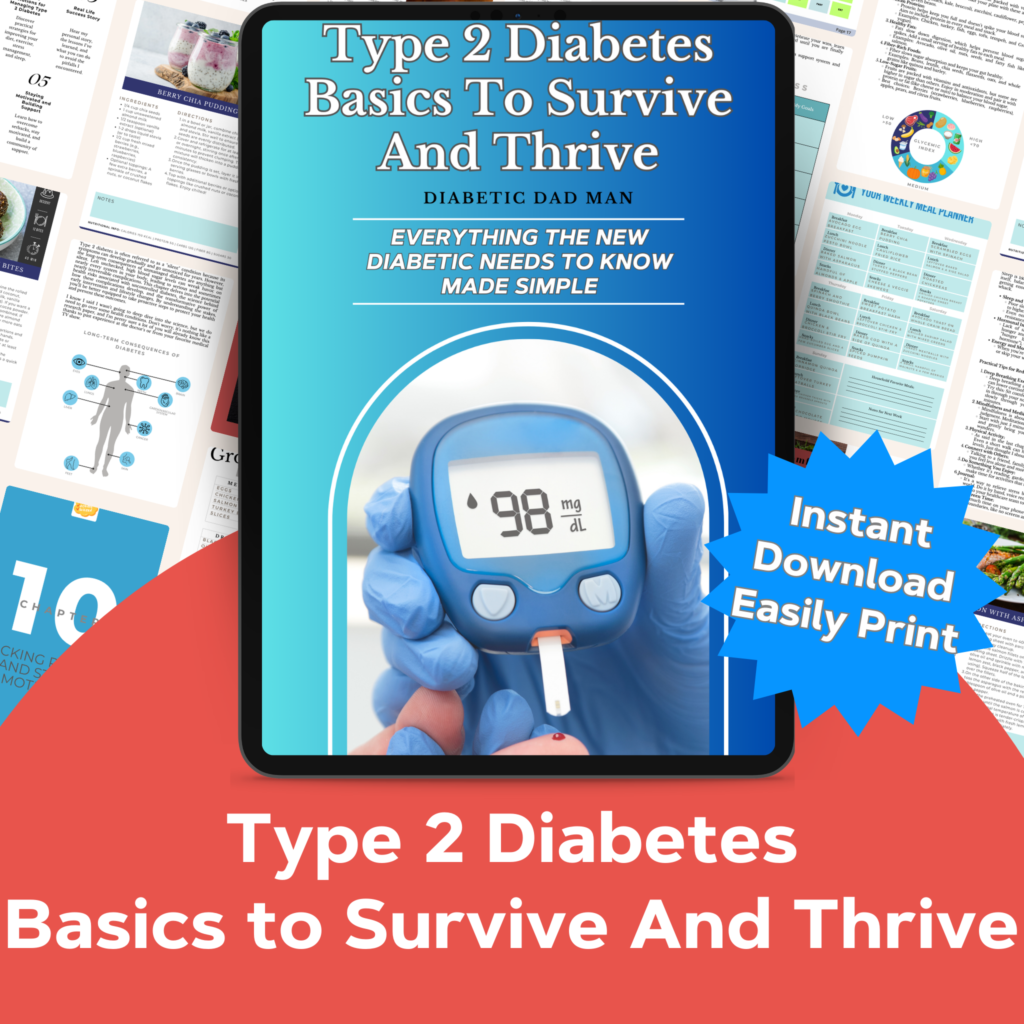
Have more questions beyond just the basics? Comment down below or check out my brand new book: Type 2 Diabetes Basics to Survive and Thrive, where I go in-depth into diabetes, how to manage it, how to start to reverse it, and everything in between including cheat sheets and recipes.
Leave a Reply